What is a Commercial AV Company?
A commercial AV company designs, installs, integrates and supports audio-visual systems for facility managers, IT directors, corporate office managers, hotel managers, architects, and AV integrators across business and public environments. Unlike residential AV, which pays attention to personal entertainment or home convenience, Commercial AV is built for heavy daily use, larger areas, multiple users and greater reliability.
Commercial AV services are deployed across a wide range of industries:
Commercial AV services support meetings, presentations, training, announcements and collaboration across different business environments. They provide a clear plan, precise system design and long-term reliability where communication matters most.
Core Commercial AV Services Explained
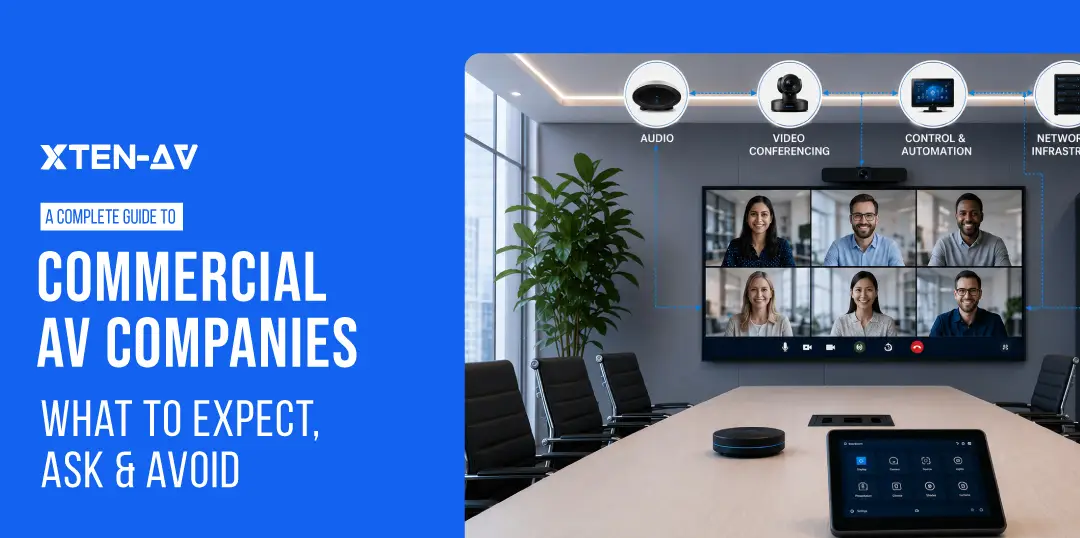
Audio systems deliver clear speech, music, announcements and meeting audio throughout the space. A commercial AV integration firm plans speaker placement, microphone coverage, DSP configuration, and acoustic needs to keep the sound consistent and easy to control.
2. Visual Display & Video Walls
Visual systems help businesses streamline corporate communication and enhance brand presence. Whether installing an executive boardroom display, an interactive lobby video wall, or a command centre, these systems enhance collaboration and provide complete clarity at the right scale.
3. Video Conferencing & Unified Communications
4. Control Systems & Automation
Control systems simplify how users operate AV technology inside a room. Instead of managing separate devices, users can control displays, audio, lighting, shades, cameras, and conferencing tools from one touch panel.
5. Network & AV Infrastructure
AV company plans the cabling, racks, signal routing, labeling, and AV-over-IP infrastructure that keep devices connected and serviceable.
Commercial AV Solutions by Industry
Corporate Office: Employees need pleasant hybrid meeting experiences, while executives need boardrooms well-equipped for high-quality presentations, secure collaboration, and reliable video conferencing.
Education: Campus AV infrastructure must be scalable and deeply integrated for hassle-free physical and remote learning.
Hospitality: Hotel managers require integrated, reliable audio-visual systems for event rooms or guest-facing spaces. This supports smoother events and better guest experiences.
Healthcare: Clinical environments need reliable, hygienic AV solutions that support patient care and staff collaboration.
Retail & Entertainment: Brands are transforming physical stores into interactive destinations by using AV that drives engagement and elevates in-store experience.
What Does Commercial AV Consulting Look Like?
Commercial AV consulting gives organizations a clear technology roadmap that prevents costly roadmaps, including poor acoustics, incompatible devices or systems that fail to scale. It ensures your workspace investments perfectly match business goals, user needs, technical requirements, and budget decisions.
Site Survey & Needs Assessment: Consultants review the spaces, user count, room functions, meeting needs and any operational gaps before recommending any system.
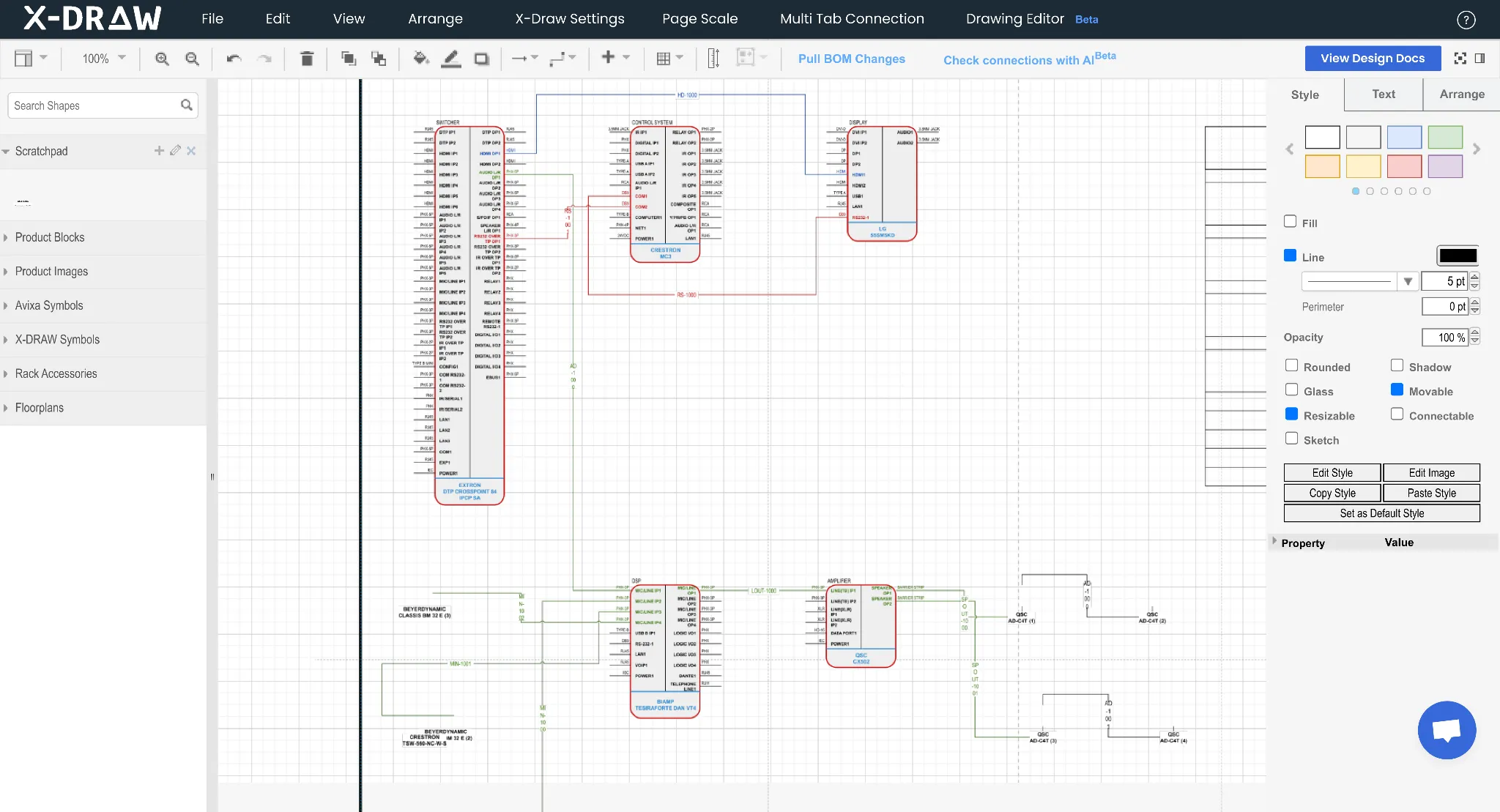
System Design & Drawings: The team creates CAD layouts, floor plans, signal flow diagrams and room-specific AV design documentation.
Technology Specification: AV integrators evaluate physical space and configure speakers, microphones, cameras, control systems and connectivity tools within the defined budget.
Budget & Timeline Planning: Consultants build a realistic delivery schedule by aligning financial baselines, vendor lead times, phased rollouts, and clear milestones.
Vendor-Neutral Approach: This ensures technology decisions are driven by what solves the client’s problem and budget over high-margin products.
How Commercial AV Companies Use Proposal Software?
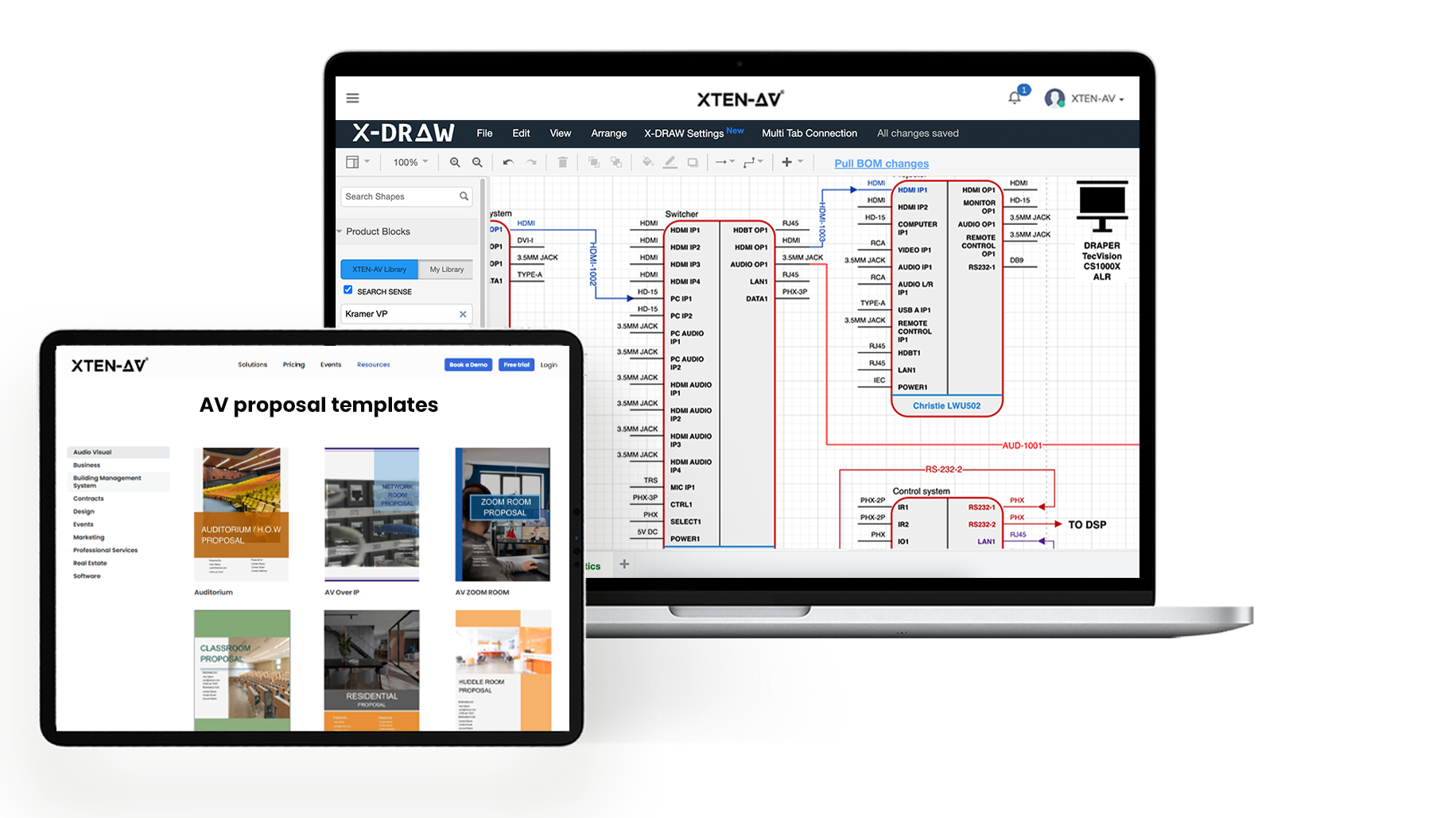
Commercial AV integrators are using dedicated AV proposal software to reduce pricing discrepancies and streamline approvals. This solution replaces disconnected work processes by combining system design, labor estimating and accurate proposals generation into a single ecosystem.
What proposal software for commercial AV systems does:
Accurate Cost Estimation: It syncs with updated, direct pricing to calculate BOM and labor rates from project data, eliminating manual errors and saving time.
Automated Drawings and Design: Generate schematic CAD/signal flow diagrams, rack elevations and cable schedules from your equipment list for better accuracy.
Client-Ready Proposals: Generate professional proposals with detailed scope of work and specifications for a smoother review process.
Revision Tracking: Track every proposal revision and version, ensuring clients review the latest and same version.
Faster Proposal Delivery: Quick proposal creation to reduce turnaround time from weeks to days. Hence, the teams can respond to opportunities faster.
The real value is not just faster documentation. It gives clients clearer pricing, fewer approval delays and a better understanding of what is being delivered in each space. For AV companies, it also reduces manual work, improves quoting accuracy, and keeps sales, design, and project teams aligned from first design to project execution.
How to Choose the Right Commercial AV Company?
Choosing the right commercial AV company is not a one-time purchase decision. It is a long term partnership that ensures your space performs consistently, team communication is frictionless and technical issues are resolved quickly.
Evaluating a Long-Term Partner:
When vetting potential AV integrators, compare them across listed below critical metrics:
Industry Experience: Ask whether they have completed projects like yours before and request for three case studies from your specific industry.
In-House Crews: You need to confirm if the field technicians are full-time employees or subcontractors.
Platform Certifications: Check whether the AV firm has certifications for the hardware, control, audio and conferencing platforms needed for your project.
AVIXA Credentials: Verify that lead engineers hold CTS (Certified Technology Specialist), CTS-D (Design), or CTS-I (Installation) certifications.
Post-Installation Support: Confirm the SLA, support process and emergency contact path for issues like a boardroom system failing before an important meeting.
References & Case Studies: A professional AV company should be ready to share client references and completed project examples without hesitation.
Modern Proposal Tools: Firms using professional proposal software often signal a more organized functioning with clearer pricing, scope, revisions, and approvals.
The best commercial AV partner should bring technical skill, work discipline, and ongoing support. You are not just buying equipment; you are choosing the team responsible for keeping critical spaces ready to perform.
Red Flags to Avoid When Hiring an AV Company
Your AV vendor choice can make or break a project. Don’t skip these warning signs.
Quoting Without a Site Survey
Attempting to build a project estimate without a site inspection results in unrealistic budget and scope creep.
Accurate AV scoping requires defining exact parameters like room size, use case, structural acoustics, user needs and timelines. Generic or instant pricing is often misleading.
If they cannot show relevant past projects or verifiable client references, it often indicates limited experience.
A clear support process defines exactly who to call, when they will respond and what parts they cover after setup.
Budget-First Conversation
A serious AV company prioritizes asks how the space will be used, room’s acoustics and long-term goals.
One-Brand Recommendation for Every Need
The right solution should fit the environment, rather than forcing vendor preferences.
Questions to Ask Your Commercial AV Company
Before signing any contract, verify all specific details:
What happens if something fails after go-live?
A highly professional AV partner has a defined support model before you ever need it. You should clarify the support model, response time, escalation process and service coverage before any critical work space goes down.
How do you handle scope changes mid-project?
Change orders come in every project. The process for managing them, which includes documentation, approvals and cost adjustments should be agreed beforehand and not improvised when it comes up.
Who will be on-site during installation?
If you don’t want to waste your money, know whether you’re getting the core project team or a subcontractor who has never seen the scope. This will tell you about how the company functions and how they treat handoffs and accountability.
What does your proposal include?
A professional AV proposal should reflect the BOM, drawings, scope of work, breakdown, and project schedule.
Who is my point of contact after installation?
You should know who handles support, service requests, warranty questions, and urgent escalations after the system is live.
Why Choose XTEN-AV for Commercial AV Projects?
XTEN-AV helps commercial AV companies by connecting AV design, proposals, project delivery and service data in one platform. Hence, teams don’t have to look for drawings, BOMs, quotes and approvals across fragmented tools.
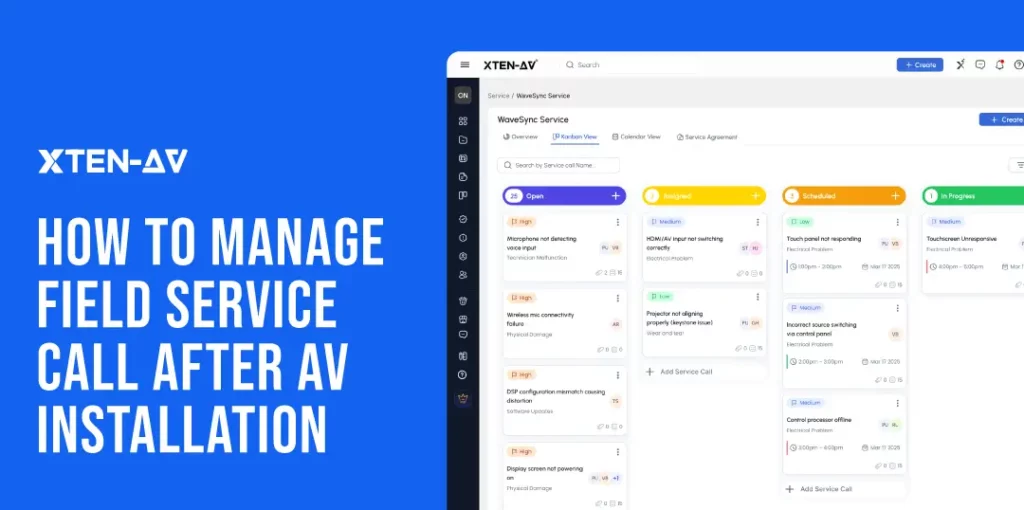
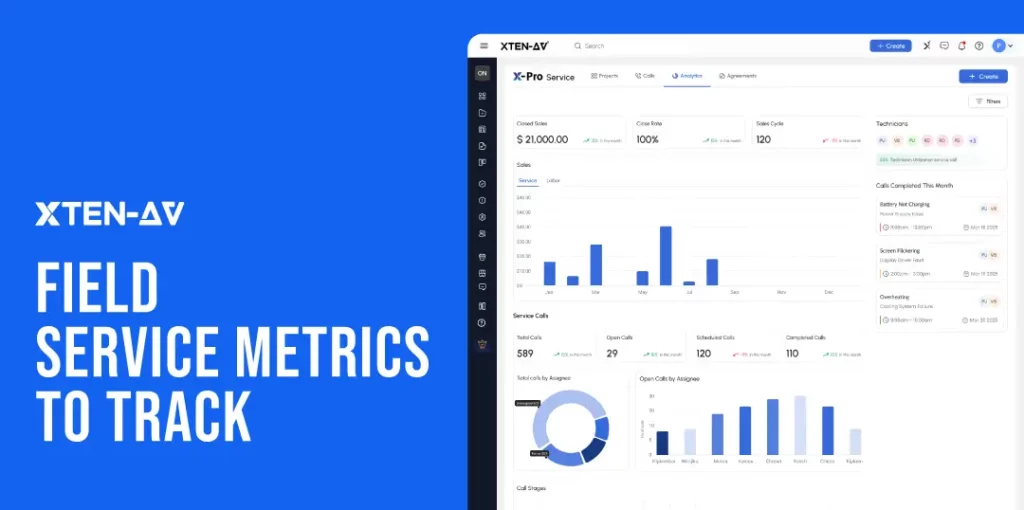
Connected Project and On-going Support: X-PRO Install helps manage tasks, labor, schedules, inventory, purchase orders, invoices, and field updates, while X-PRO Service supports service calls, agreements, contracts, and after-sales analytics.
Industry Depth: Corporate, hospitality, education, healthcare and other AV spaces. XTEN-AV is designed around the environments AV teams work in every day.
The decision may look straightforward until it isn’t. Misaligned expectations, unclear scope and vendors who overpromise in the sales cycle and underdeliver in the field. Choosing a commercial AV company means opting for a long-term partner that understands your business goals, real user needs, communicates clearly throughout the project and provides ongoing support after installation is complete.
For AV integrators, disconnected drawings, proposals, project updates, service records create unnecessary manual work, confusion, delays and work gaps that cost time and margin.
XTEN-AV is built for AV teams who have dealt with these types of problems. The platform brings design, proposals, project delivery and service data in one cloud-based ecosystem. This helps AV professionals move from fragmented tools and disconnected data to a single platform built around how AV projects should work. Also, it helps teams to improve accuracy, reduce manual effort and deliver projects more efficiently.